




The 1968 shelby gt500 is widely regarded as one of the most iconic muscle cars ever produced. Known for its blend of raw power, innovative engineering, and striking design, this car represents the pinnacle of American automotive performance during the late 1960s. Understanding the engineering behind the 1968 Shelby GT500 provides insight into why it remains a coveted classic and a benchmark in muscle car history.
The Heart of the GT500: Engine and Powertrain
At the core of the 1968 Shelby GT500 lies its formidable powertrain. This model was equipped with a 428-cubic-inch Police Interceptor V8 engine, which delivered impressive horsepower and torque for its era. The engine was designed for both performance and reliability, offering a thrilling driving experience without sacrificing everyday usability.
The 428 V8 featured a high-performance camshaft, reinforced internal components, and a robust carburetion system. These engineering choices allowed the GT500 to achieve rapid acceleration and strong highway performance. The combination of engine size, tuning, and Shelby-specific enhancements made it capable of competing with other top muscle cars of the time.
Coupled with the engine was a heavy-duty transmission system. The 1968 Shelby GT500 offered a choice between a four-speed manual transmission for those seeking a hands-on, performance-focused drive, or a three-speed automatic for smoother operation. The rear-wheel-drive configuration maximized traction and control, ensuring that the car’s power translated effectively to the road.
Chassis and Suspension Design
The Shelby GT500’s engineering extended beyond its engine to the chassis and suspension. Built on the classic Mustang platform, the GT500 incorporated reinforced structural elements to handle the increased power and weight of the V8 engine. This reinforced frame helped maintain stability during high-speed driving and spirited cornering.
The suspension system was designed to balance performance and ride quality. Front and rear suspension components were upgraded with heavy-duty springs, shocks, and sway bars to provide better handling and reduce body roll. This tuning allowed the GT500 to maintain composure on winding roads while still offering a comfortable ride for longer journeys.
Steering and braking systems were also improved to match the car’s performance potential. Power-assisted steering provided more manageable handling, while optional front disc brakes offered superior stopping power compared to standard drum brakes, enhancing both safety and driver confidence.
Aerodynamic and Design Considerations
Although the 1968 Shelby GT500 retains the classic Mustang profile, several engineering choices were made to optimize performance and aesthetics. The front fascia, hood scoop, and rear spoiler were not merely stylistic additions; they were functional enhancements designed to improve airflow, engine cooling, and stability at high speeds.
Weight distribution and balance were carefully considered during design. The heavy V8 engine at the front was counterbalanced by structural reinforcements and suspension tuning to ensure predictable handling. These design principles allowed drivers to experience both power and control, a combination that defined the GT500’s performance character.
Interior Engineering and Driver Focus
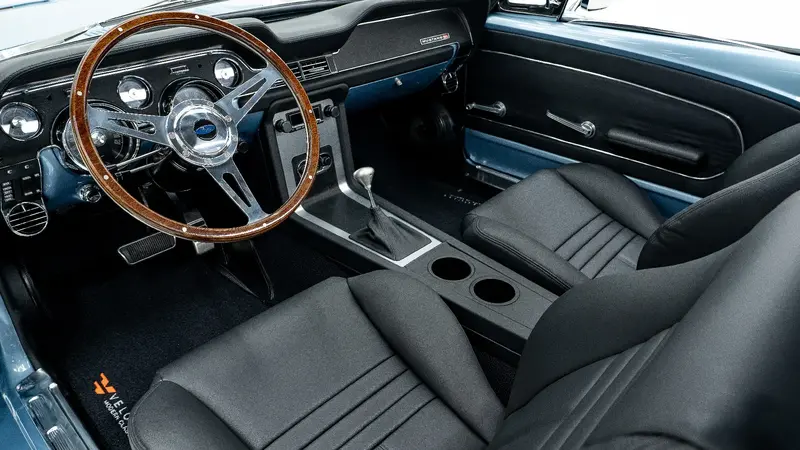
The interior of the 1968 Shelby GT500 was engineered with the driver in mind. While retaining many elements of the standard Mustang, Shelby-specific enhancements improved ergonomics, control, and comfort. Features such as bucket seats, performance-oriented gauges, and a well-placed steering wheel contributed to a cockpit that allowed the driver to fully engage with the car’s capabilities.
Instrumentation was comprehensive, providing information on speed, engine performance, and other critical parameters. This focus on functional design ensured that drivers could monitor the car’s performance effectively, whether navigating city streets or pushing the car on open highways.
Legacy of Shelby Engineering
The engineering of the 1968 Shelby GT500 helped cement its place as a legendary muscle car. Every aspect, from engine selection to chassis design, suspension tuning, and interior layout, was tailored to deliver a high-performance experience while maintaining reliability. This holistic approach to engineering ensured that the GT500 stood out among its peers and continues to be celebrated by collectors and enthusiasts today.
Shelby’s collaboration with Ford allowed for the integration of advanced performance modifications into the Mustang platform. These enhancements not only increased horsepower and handling but also elevated the car’s overall engineering sophistication, making the GT500 a technical achievement as well as a cultural icon.
Conclusion
The 1968 shelby gt500 exemplifies the engineering ingenuity and performance focus that defined the muscle car era. From its powerful V8 engine and reinforced chassis to its precision suspension and driver-centric interior, every element was designed to deliver an exhilarating driving experience. Its engineering excellence, combined with cultural and historical significance, ensures that the GT500 remains one of the most celebrated and sought-after classic cars in automotive history.
Frequently Asked Questions
What makes the 1968 Shelby GT500 different from a standard Mustang?
The GT500 features a high-performance 428 V8 engine, reinforced chassis, upgraded suspension, and Shelby-specific styling elements. These modifications significantly enhance power, handling, and overall driving experience.
How powerful is the 1968 Shelby GT500?
Equipped with the 428-cubic-inch V8, the GT500 produces substantial horsepower and torque, offering impressive acceleration and strong performance compared to other cars of its era.
What are the key engineering features of the GT500?
Key features include reinforced chassis, upgraded suspension components, power-assisted steering, front disc brakes, and functional aerodynamic enhancements that improve stability and performance.
Is the 1968 Shelby GT500 suitable for daily driving?
While it can be driven daily, the GT500 requires careful maintenance. Its high-performance components and classic car age mean that regular inspections and servicing are necessary to ensure reliability.
Why is the 1968 Shelby GT500 considered a collector’s car?
Its combination of engineering excellence, historical significance, limited production, and performance capabilities make it highly desirable among collectors and enthusiasts.


Comments (0)