


A healthy smile begins with professional plaque and tartar removal, and one of the most advanced methods used today involves ultrasonic technology. When you sit in the dental chair, a Dental Hygienist in Dubai often relies on specialized ultrasonic cleaning tools to remove hardened deposits efficiently and comfortably. These instruments have transformed preventive oral care, making cleanings faster, more precise, and less invasive than traditional hand scaling alone. Understanding how ultrasonic devices work can help you feel more confident and informed during your next visit.
Understanding Ultrasonic Cleaning Technology
Ultrasonic cleaning tools operate using high-frequency vibrations to break apart plaque, calculus (tartar), and bacterial biofilm from tooth surfaces. The device includes a handheld scaler connected to a power unit that generates ultrasonic waves. These waves cause the tip of the scaler to vibrate tens of thousands of times per second.
This rapid vibration disrupts hardened deposits without the need for excessive manual pressure. At the same time, a steady stream of water flows through the tip, serving multiple purposes: cooling the instrument, flushing away debris, and helping eliminate bacteria from periodontal pockets.
The combination of vibration and water irrigation makes ultrasonic scaling highly effective for both supragingival (above the gumline) and subgingival (below the gumline) cleaning.
The Science Behind the Vibrations
Ultrasonic scalers typically function using either magnetostrictive or piezoelectric technology. While both systems achieve similar outcomes, they differ slightly in how vibrations are produced.
Magnetostrictive scalers use metal stacks that expand and contract in a magnetic field, creating elliptical tip movement. Piezoelectric scalers rely on ceramic crystals that change shape when electrical current is applied, producing linear tip motion.
Regardless of the system, the core objective remains the same: to fracture and dislodge hardened deposits while preserving healthy enamel and soft tissue. The microscopic bubbles formed in the water spray—known as cavitation—also contribute to bacterial disruption, enhancing the antimicrobial effect of the procedure.
Why Ultrasonic Tools Are Preferred
Ultrasonic instruments provide several advantages compared to traditional manual scaling alone.
They significantly reduce treatment time by quickly removing large calculus deposits. The water spray improves visibility and keeps the working area clean. Patients often report greater comfort because the device requires less scraping pressure.
For individuals with moderate to advanced buildup, ultrasonic tools allow for more thorough debridement, especially in deep gum pockets where bacteria accumulate. The lavage effect of the water stream helps flush out debris that might otherwise remain lodged beneath the gumline. This modern approach supports better gum health and reduces the risk of periodontal disease progression.
Step-by-Step: How the Procedure Works
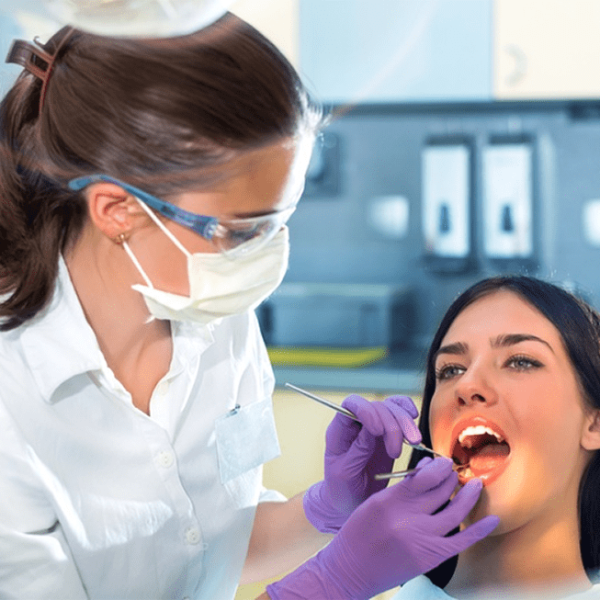
Before beginning, the hygienist evaluates your oral condition to determine the appropriate power setting and tip selection. Different tips are designed for heavy deposits, fine scaling, or subgingival access.
The scaler tip is gently placed against the tooth surface at a specific angle. Instead of pressing firmly, the clinician uses light lateral movements, allowing the vibration to do most of the work. The instrument continuously moves to prevent heat buildup and protect surrounding tissues.
As calculus fractures and dislodges, the water spray washes it away. Suction is used simultaneously to maintain comfort and prevent excess moisture in the mouth.
Once the major deposits are removed, fine hand instruments may be used for detailed finishing and smoothing of the tooth surface. This combination ensures optimal cleanliness and surface refinement.
Safety and Comfort Considerations
Ultrasonic scaling is considered safe for most patients when performed correctly. The water irrigation prevents overheating, and the controlled power settings allow customization based on sensitivity levels.
Patients with dental restorations, orthodontic appliances, or implants may require specific tip adjustments to avoid surface damage. For individuals with sensitive teeth, lower power settings and desensitizing strategies can enhance comfort.
Communication during the procedure is essential. If you experience discomfort, adjustments can be made immediately to ensure a more pleasant experience.
Benefits for Gum Health
One of the most significant advantages of ultrasonic cleaning is its effectiveness in managing gum inflammation. By targeting bacteria within periodontal pockets, the procedure reduces the microbial load responsible for gingivitis and periodontitis.
The flushing action not only removes debris but also introduces oxygen into areas where harmful anaerobic bacteria thrive. This environmental shift makes it more difficult for pathogenic bacteria to survive and multiply.
Consistent professional cleanings, combined with good at-home oral hygiene, support healthier gums, fresher breath, and long-term tooth preservation.
When Ultrasonic Cleaning Is Most Recommended
Ultrasonic scaling is especially beneficial for individuals who:
Have moderate to heavy tartar buildup
Experience bleeding or inflamed gums
Wear braces or other orthodontic appliances
Have early signs of periodontal disease
Struggle with plaque control due to limited dexterity
Because the device works efficiently, it is also helpful during maintenance visits for patients undergoing periodontal therapy.
Addressing Common Concerns
Some patients worry about the sound or sensation of ultrasonic tools. The high-pitched noise is simply the result of rapid vibration and does not indicate discomfort. The feeling is typically described as a mild buzzing or tickling sensation.
For those with sensitivity, discussing concerns beforehand allows for tailored adjustments. Modern ultrasonic units offer variable power levels and advanced tips designed to minimize tissue irritation.
In rare cases, patients with certain medical devices should inform their provider so compatibility can be confirmed.
The Role of Professional Expertise
While ultrasonic technology is powerful, its effectiveness depends on proper technique. Clinicians are trained to maintain the correct angulation, motion, and pressure to ensure optimal results without damaging enamel or soft tissue.
Skillful use of these tools ensures comprehensive cleaning while preserving the natural tooth structure. The integration of technology and professional expertise results in a thorough yet gentle approach to preventive care.
Long-Term Impact on Oral Health
Routine ultrasonic cleaning contributes significantly to preventing cavities and gum disease. By removing hardened deposits that cannot be eliminated through brushing and flossing alone, the procedure interrupts the cycle of plaque accumulation and inflammation.
Healthier gums create a stable foundation for teeth, reducing the likelihood of mobility and tooth loss over time. Additionally, maintaining oral health supports overall systemic wellness, as chronic inflammation in the mouth can influence broader health conditions.
Regular professional cleanings remain a cornerstone of preventive dentistry.
Book Us
Choosing a skilled Dental Hygienist ensures that ultrasonic cleaning is performed with precision, care, and attention to your comfort. At Enfield Royal Clinic Dubai, we prioritize advanced technology and patient-centered preventive care to help you maintain a healthy, confident smile. If you are ready to experience thorough and comfortable professional cleaning, visit Enfield Royal Clinic Dubai and schedule your appointment today to keep your oral health on track.


Comments (0)