




Most people focus on leaf quality, water temperature, and steeping time when brewing Green Tea — but one factor that often gets overlooked is the water itself. The truth is, your final cup depends just as much on the mineral content of the water you're using.
This post looks at how water's mineral composition affects green tea's flavor, and what kind of water actually gives you the best cup.
What Minerals Are in Your Water?
Tap or bottled water typically contains:
- Calcium and magnesium — the minerals that determine water's "hardness"
- Bicarbonates — which affect water's pH and alkalinity
- Chlorine — commonly used in municipal water treatment
All of these influence both the taste of the water itself and how it interacts with tea compounds.
How Hard Water Changes Green Tea's Taste
Hard water — water high in calcium and magnesium — tends to mute green tea's delicate flavors. These minerals bind with catechins (green tea's key antioxidant compounds), leaving the tea tasting flat, dull, and sometimes slightly bitter. Hard water can also leave the tea's color looking a bit murky.
So if you live in a hard water area and your green tea has been tasting a bit "off," the leaves might not be the problem — the water could be.
The Benefit of Soft or Filtered Water
Soft or properly filtered water, with a lower mineral content, lets green tea's delicate notes — umami, light sweetness, and grassy undertones — come through clearly. This is exactly why traditional Japanese tea ceremonies often favor soft, naturally filtered spring water.
If you want to get the full benefit of your healthy tea habit, it's not just about leaf quality — choosing the right water matters just as much for properly extracting tea's beneficial compounds.
The Effect of Chlorine
Chlorine in tap water can also be an issue — it tends to mask green tea's natural, subtle aroma and can leave behind a faint chemical smell. It's a good idea to let tap water sit uncovered for a few hours, or filter it well, before use, so the chlorine has time to dissipate.
The Role of pH
Ideal water for green tea should have a near-neutral pH, around 7. Water that's too alkaline can degrade catechins and increase bitterness, while overly acidic water can throw off the flavor balance too.
Practical Tips for a Better Cup
- Use filtered or spring water — reverse osmosis or carbon-filtered water usually gives the best results.
- Avoid distilled water — it has essentially no minerals, which can make tea taste flat and "lifeless." A small amount of mineral content actually enhances flavor.
- Watch your temperature — 160–180°F is the ideal range for green tea; water that's too hot can introduce bitterness regardless of how good the water quality is.
The Tea Itself Still Matters
Water quality is important, but its effect only really shows when the tea itself is high-quality to begin with. Organic tea, carefully harvested and processed, expresses its natural flavors more clearly — while lower-grade leaves tend to mask these subtle differences anyway.
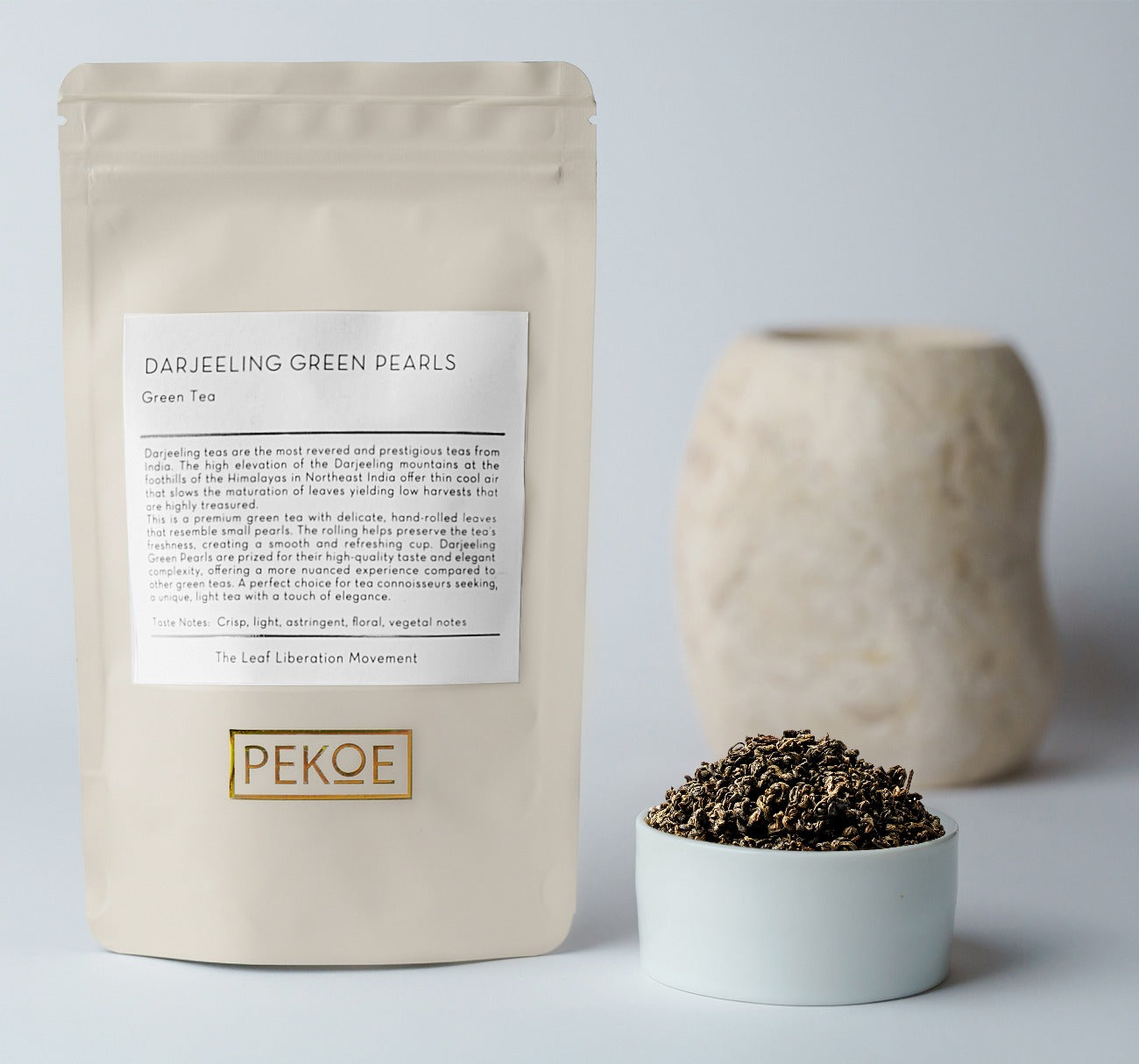
Pekoe's green tea range uses fresh, properly sourced leaves, so that when you brew with the right water, you get the full, authentic flavor profile the tea is meant to deliver.
Final Thoughts
A perfect cup of green tea isn't just about leaf quality — it's a combination of the right leaves, the right temperature, and the right water. Next time your tea tastes weaker than expected, check your water before you blame the leaves. The difference might surprise you.
For more information
TikTok: mypekoe
Instagram: mypekoe
Facebook: mypekoe


Comments (0)