




Ask ten people what Tex Mex food actually is, and you'll probably get ten different answers. Some picture a plate piled high with cheese and sour cream, others think of grilled chicken, black beans, and fresh salsa. That gap between perception and reality is exactly why the "is it healthy" question keeps coming up, and it's a question the team behind Burro Blanco, the Mexican restaurant with locations across Dubai and Abu Dhabi, tends to get asked a lot by customers trying to figure out what to order.

Tex Mex Isn't One Thing — And That's the Point
Before getting into what nutritionists actually say, it helps to understand what Tex Mex food even is. It's a Texan-born fusion of Mexican food and American comfort cooking, built around ingredients like grilled meats, beans, rice, peppers, and fresh produce, but also known for indulgent add-ons like melted cheese, sour cream, and fried tortilla shells. That range is the whole story here. Tex Mex can swing from a light, protein-packed bowl to a deep-fried, cheese-loaded plate depending entirely on what goes into it.
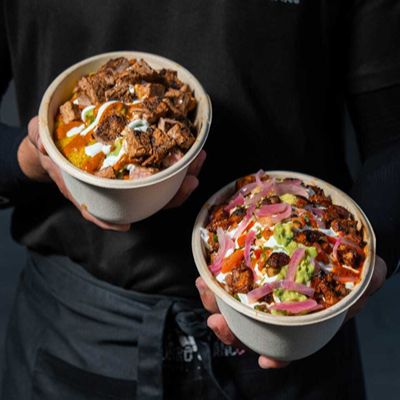
Burro Blanco's approach reflects this well, leaning toward the fresher end of that spectrum, with dishes built around grilled adobo chicken, cilantro lime rice, pinto beans, and made-to-order salsas rather than heavy fried components. It's a good example of how a restaurant can serve Tex Mex food without it automatically meaning unhealthy.
What Nutritionists Actually Point Out
Nutritionists tend to agree on a few consistent points when this topic comes up:
The protein and fiber base is a genuine strength. Beans, grilled chicken, and rice form the backbone of most Tex Mex food, and that combination checks a lot of boxes — protein for satiety, fiber for digestion, and complex carbs for sustained energy. A bowl built around these staples isn't far off from what a dietitian would recommend for a balanced meal.
Fresh toppings make a real difference. Ingredients like guacamole, pico de gallo, cilantro, and lime aren't just flavor add-ons — they bring healthy fats, vitamin C, and antioxidants into the mix. Nutritionists often point to guacamole specifically as a source of monounsaturated fat, the same type found in olive oil, which supports heart health when eaten in reasonable portions.
Portion size and preparation method matter more than the cuisine label. This is the point nutritionists come back to again and again. A grilled taco with lean protein and fresh vegetables sits in a completely different category than a deep-fried version loaded with extra cheese and creamy sauces. It's less about whether something is labeled Tex Mex or Mexican food, and more about how it's actually cooked and portioned.
Sodium and cheese are the usual watch-outs. Melted cheese, processed sauces, and heavily salted seasoning blends are where a lot of the "unhealthy" reputation comes from. Nutritionists generally suggest asking for sauces on the side or going lighter on cheese if portion control is a priority, rather than avoiding the cuisine altogether.
Comparing Tex Mex to Authentic Mexican Food
There's often confusion between Tex Mex food and traditional Mexican cooking, and nutritionists tend to draw a clear line here. Authentic Mexican food, especially street-style dishes, typically relies on simpler preparations — grilled meats, corn tortillas, fresh salsas, and vegetables, with less emphasis on heavy dairy. An authentic Mexican burrito, for instance, is traditionally built around rice, beans, a protein, and salsa, without the layers of sour cream and shredded cheese that some Tex Mex versions pile on.
This is where a menu like Burro Blanco's tends to bridge the gap nicely. Dishes such as their burritos and tacos borrow from that more traditional, ingredient-forward style, keeping the core Mexican food building blocks intact while still delivering the bold, satisfying flavor people associate with Tex Mex.
So, Is It Healthy?
The honest answer nutritionists give is: it depends on the plate in front of you. Tex Mex food isn't inherently unhealthy any more than a sandwich or a stir-fry is automatically healthy just because of what it's called. A bowl built around grilled protein, beans, rice, and fresh salsa is a solid, balanced meal. A basket of fried tacos smothered in cheese and cream sauce is more of an occasional treat than a daily habit.
For anyone trying to eat well without giving up flavor, the smarter move is choosing grilled over fried, asking for sauces on the side, and leaning into fresh toppings like guacamole and pico de gallo. That's really the difference between a plate that fits into a healthy routine and one that doesn't — and it's a distinction Burro Blanco seems to understand well, given how much of its menu is built around fresh, made-to-order ingredients rather than shortcuts.
Final Thoughts
Tex Mex food gets an unfairly one-note reputation, but the reality is far more flexible than people give it credit for. Between grilled proteins, fiber-rich beans, and fresh produce, there's plenty of room for it to fit into a balanced diet — as long as the fried extras and heavy cheese stay the exception rather than the rule. Whether it's tacos, a burrito bowl, or a classic combo plate, the healthiest version of Tex Mex food usually looks a lot like good Mexican food at its core: real ingredients, cooked simply, and served fresh.
For more information,
Contacts – +97144576051
Instagram: burroblancouae
Location: View All Burro Blanco Locations


Comments (0)