




Waking up with a splint on your nose and wondering what is normal?
Introduction
The first week after nose surgery is mostly about protection: a splint over the nose, careful sleeping, simple cleaning and a lot of rest. Many patients find the external signs, such as bruising and a taped nose, more dramatic than the actual discomfort. If you are planning Rhinoplasty in Islamabad, knowing what each device does and when it is usually removed can make this week far less stressful. The details depend on your operation and your surgeon, so treat this as a general guide. Your own written instructions always come first.
What is the splint for, and how long does it stay?
The splint is a protective cover, usually taped or fixed over the nose, that supports the new shape and shields it from accidental knocks. It also helps limit swelling in the early days. Many surgeons remove it at the first check-up, often within about a week, but this varies with the plan. Keep it dry and in place, and never remove or adjust it yourself. If it becomes loose, wet or painful, call the clinic instead of fixing it at home.
Will I have packing or internal supports?
Some operations use soft internal supports or packing to protect the lining and control early bleeding, while others do not. Your surgeon will tell you whether this applies to you. If you have them, expect a blocked feeling and mouth breathing until they are removed. Removal is usually done by the surgeon, and many patients find it more awkward than painful. Do not pull on anything inside the nostrils, and ask exactly when and how supports will be taken out.
What about stitches?
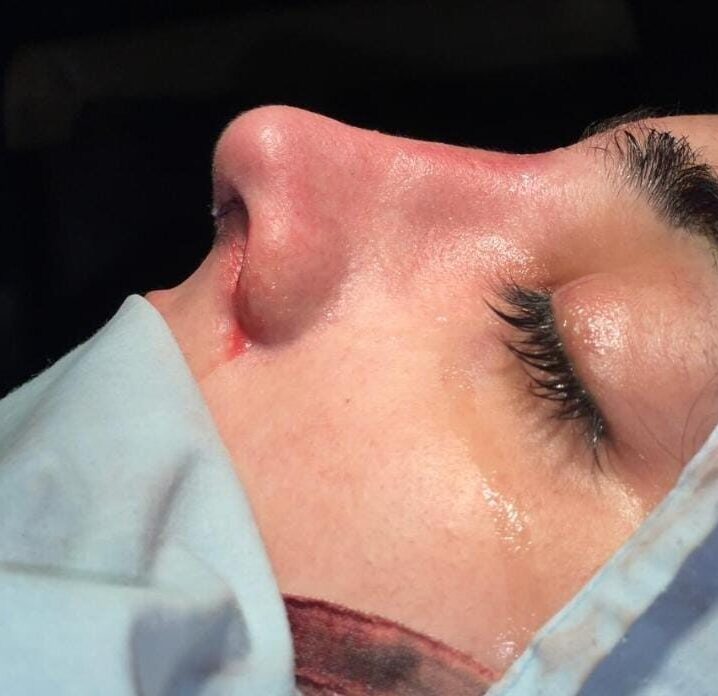
Stitches inside the nose are often the dissolving type, while any on the skin are usually removed early. Where they are placed depends on the technique used. Keep any skin stitches clean and dry as instructed and avoid picking at crusts. A little spotting or crusting is common, but spreading redness, pus or heavy bleeding needs a call. Ask your surgeon which stitches you have and when each is expected to come out or dissolve.
| Splint | Protects and supports the new shape | Keep dry and in place until the check-up |
| Internal supports | Protect the lining and limit bleeding | Do not pull or adjust them |
| Skin stitches | Close external incisions, if any | Keep clean, expect early removal |
| Dissolving stitches | Close internal incisions | They fade on their own |
| Dressings or tapes | Control swelling and protect skin | Follow the surgeon’s instructions |
How should I sleep and rest during the first days?
Sleep on your back with your head raised on extra pillows, because lying flat can increase swelling and press on the nose. A travel pillow around the neck can stop you from rolling onto your face. Rest is part of the treatment, so keep activity gentle and short. Avoid bending, lifting and straining, as these raise pressure in the head. Sleep may be broken at first because you breathe through the mouth, so keep water nearby and use lip balm if your lips dry.
What bruising and swelling are normal?
Bruising around the eyes and cheeks is common and often looks worse on days two to four before it fades. Swelling is usually greatest in the early days and then improves slowly, though fine swelling at the tip can last for months. Your face may feel tight, and your upper lip may feel numb for a while. Cold compresses are sometimes advised, but only use the method your surgeon recommends and never press ice directly on the nose. These changes are normal parts of healing, not signs that surgery failed.
What should I know about cleaning and medicines?
Follow the cleaning method you are given exactly, whether that involves saline spray or gentle wiping of the external skin. Do not insert cotton buds or anything else into the nostrils unless instructed. Take only prescribed or approved medicines, because some painkillers and supplements can increase bleeding. If you had closed rhinoplasty, the incisions are inside the nostrils, but the same cleaning rules and protection still apply. Keep a written list of what to take and when.
Is the first week different for men or after tip surgery?
The basics are the same, but men often have thicker skin and may feel ready to return to work or training too soon. Anyone considering male rhinoplasty should plan realistic rest. After a focused procedure such as nose tip plasty, the early rules about protection and rest still apply, even if the operation was smaller. Never judge recovery by how you feel on day three. Healing is happening beneath the surface.
When should I call the clinic?
Call promptly for heavy or continuing bleeding, fever, increasing pain, redness that spreads, pus, severe breathing difficulty or a sudden change in shape after a knock. Do not wait for your appointment if something feels wrong. Keep the clinic’s number somewhere easy to reach, and note that Glam Aesthetics is listed as open 24 hours, Monday to Sunday. Early advice can turn a small concern into a simple fix. Calling is never an overreaction when you are unsure.
Frequently Asked Questions
Can I get the splint wet?
Usually not. Follow your surgeon’s instructions on washing and keeping it dry.
Is it normal to breathe through my mouth?
Yes, congestion is expected early on and usually improves as swelling settles.
When will I see my new nose?
Often at the first check-up when the splint comes off, though swelling will still hide the final shape.
Will removing the splint hurt?
Most people feel pulling or pressure rather than sharp pain, but it varies.
Is the consultation free?
Yes. Glam Aesthetics offers a free consultation.
Final Thoughts
The first week is a protective phase, and most of its discomforts are temporary. Keep the splint dry, sleep propped up, follow cleaning instructions and call early if something worries you. If you are preparing for Rhinoplasty in Islamabad, ask your surgeon which devices you will have and when each comes off. Understanding the plan in advance turns an anxious week into a manageable one.
About the doctor and clinic:
Dr. Ahmed Ali is a Plastic and Reconstructive Surgeon who practises at Glamorous Aesthetics Clinic (Glam Aesthetics). His training includes an MBBS from Ayub Medical College, an FCPS in Plastic Surgery and a Clinical Fellowship in Plastic Surgery at Fauji Foundation Hospital Rawalpindi from 2020 to 2023. The clinic is IHRA-licensed and based in Islamabad.
Clinic: Glamorous Aesthetics Clinic (Glam Aesthetics)
Address: Office 20-21, Basement, Interlace Plaza, I-8 Markaz, Islamabad
Phone / WhatsApp: +92 327 5479779
Email: info@glamaesthetics.com.pk
Timings: Open 24 hours, Monday to Sunday
Consultation: Free. Ask about aftercare with Book now
Medically reviewed by Dr. Ahmed Ali, Plastic and Reconstructive Surgeon
Last updated: 7 November 2026


Comments (0)