




Healthy and radiant skin can contribute significantly to a person's overall appearance and confidence. However, pigmentation concerns such as melasma can create uneven skin tone and visible dark patches that may affect facial appearance. These changes can develop gradually due to sun exposure, hormonal fluctuations, genetics, and other factors. Melasma Treatment in Dubai offers individuals access to modern aesthetic and dermatological approaches designed to manage unwanted pigmentation and improve skin clarity. With professional assessment and personalized treatment options, people can address stubborn discoloration while supporting healthier-looking skin. Understanding the causes of melasma and the available treatment methods is an important step toward choosing an appropriate skincare approach.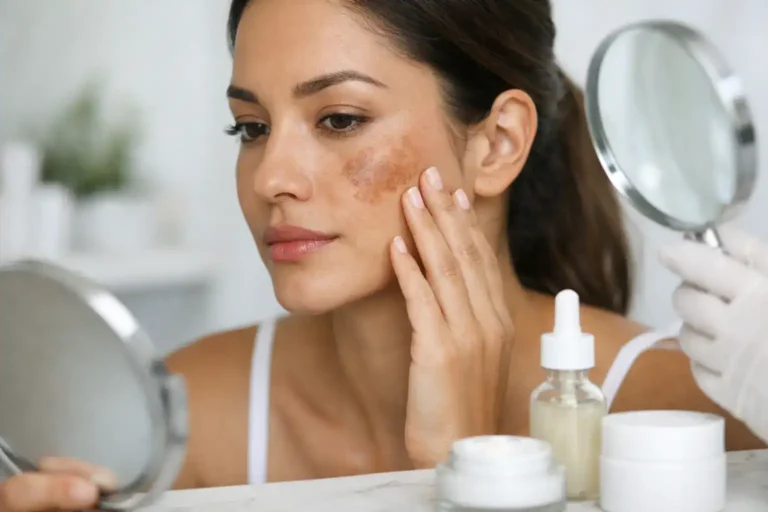
Understanding Melasma and Skin Pigmentation
Melasma is a common pigmentation condition characterized by brown or greyish-brown patches that usually appear on the face. It frequently affects areas such as the cheeks, forehead, upper lip, nose, and chin. The condition develops when melanocytes produce excess melanin which is the natural pigment responsible for skin color. This increased pigment production can create uneven areas that are more noticeable than the surrounding skin.Melasma is more common in women but can also affect men. It may become more visible during periods of hormonal changes or after prolonged exposure to ultraviolet radiation. Although melasma is generally harmless it can be persistent and may require a carefully planned treatment approach. Its appearance can vary depending on skin type and the depth of pigmentation.
Common Causes of Melasma
Several factors can contribute to the development of melasma. Sun exposure is one of the most significant triggers because ultraviolet radiation stimulates melanin production. Frequent exposure without adequate sun protection can make existing pigmentation darker and encourage new patches to develop.Hormonal changes may also influence melasma. Pregnancy and certain hormonal medications can contribute to increased pigmentation in susceptible individuals. Genetics can play a role as well since people with a family history of melasma may have a greater tendency to develop the condition.Other possible contributing factors include visible light exposure and skin irritation caused by unsuitable skincare products. Understanding these triggers helps professionals recommend appropriate treatment options and preventive skincare practices.
Importance of Professional Pigmentation Treatment
Professional pigmentation treatment focuses on identifying the type and depth of discoloration before selecting suitable procedures. Not every dark patch is melasma and other conditions such as post-inflammatory hyperpigmentation and sunspots can produce similar changes in skin appearance.A professional skin assessment helps determine the likely cause of pigmentation and whether additional evaluation is necessary. The practitioner may examine the affected areas and review medical history skincare habits and previous treatments.This assessment is important because aggressive procedures may worsen melasma in some individuals. A personalized approach helps reduce unnecessary irritation and supports more suitable treatment decisions. It also allows patients to understand realistic expectations and the importance of ongoing skin maintenance.
Advanced Treatment Options for Melasma
Different treatment approaches may be recommended depending on the patient's skin condition and pigmentation severity. Topical skincare products are commonly used to support pigmentation management. Certain ingredients such as azelaic acid and vitamin C may help improve uneven skin tone when used appropriately. Prescription treatments such as hydroquinone may also be considered under professional supervision.Chemical peels are another option for selected patients. These procedures use carefully chosen chemical solutions to exfoliate the outer layers of the skin and encourage skin renewal. The type and strength of the peel must be selected according to skin sensitivity and pigmentation characteristics.Some individuals may benefit from selected laser or light-based procedures. However these treatments require particular care because excessive heator irritation can sometimes worsen melasma. A qualified professional should determine whether a procedure is appropriate rather than assuming that stronger treatment will provide better results.
Role of Laser Technology in Pigmentation Reduction
Laser technology may be used in selected melasma cases to target unwanted pigment within the skin. Different devices operate at different wavelengths and depths. The appropriate option depends on the patient's skin tone and the characteristics of the pigmentation.Laser treatment aims to reduce the visibility of excess pigment while minimizing unnecessary damage to surrounding tissue. However melasma can be challenging to manage because it may return when triggering factors remain present. Some patients may require several carefully spaced sessions combined with topical skincare and consistent sun protection.Laser procedures are not suitable for everyone with melasma. A professional assessment is necessary to evaluate potential benefits and risks. Conservative treatment settings are often important because excessive energy can cause inflammation and trigger further pigmentation.
Benefits of a Personalized Melasma Treatment Plan
A personalized treatment plan considers the unique characteristics of each patient's skin. Factors such as pigmentation depth skin sensitivity medical history and lifestyle habits can influence the choice of treatment.One important benefit of individualized care is that it avoids relying on a single approach for every patient. Some individuals may respond well to topical products while others may require a combination of skincare and professionally selected procedures.A customized plan also helps establish realistic treatment goals. Melasma often requires ongoing management rather than a one-time procedure. Regular professional reviews allow treatment recommendations to be adjusted according to skin response and any changes in pigmentation.
How to Prepare for Melasma Treatment?
Preparing the skin before treatment can help reduce unnecessary irritation. Patients should discuss their current skincare routine and any prescription medications with their practitioner. Products containing strong exfoliating ingredients may need to be temporarily discontinued depending on the recommended procedure.Avoiding excessive sun exposure is particularly important before pigmentation treatments. Recently tanned or irritated skin may have a higher risk of complications during certain procedures. Patients should also avoid experimenting with harsh home remedies or unverified skin-lightening products.Following professional preparation instructions helps create a suitable starting point for treatment. It also allows the practitioner to identify possible sensitivities before proceeding.
Essential Aftercare for Clearer Skin
Aftercare plays an important role in maintaining skin comfort and supporting pigmentation management. Following a chemical peel or laser procedure the skin may experience temporary redness dryness or sensitivity. Patients should follow the specific instructions provided by their practitioner and avoid scratching or rubbing the treated areas.Daily sun protection is essential for people with melasma. A broad-spectrum sunscreen with SPF 30 or higher should generally be used every day. Reapplication is important during prolonged outdoor exposure. Tinted sunscreens containing iron oxides may provide additional protection against visible light which can contribute to pigmentation in some individuals.
Gentle cleansing and appropriate moisturization can help support the skin barrier. Strong exfoliants and irritating products should be avoided until the skin has recovered. Maintaining a consistent skincare routine is often more beneficial than frequently switching between different products.
Can Melasma Return After Treatment?
Melasma can return even after noticeable improvement. This happens because the underlying factors responsible for excess melanin production maycontinue to affect the skin. Sun exposure hormonal changes and individual genetic tendencies can contribute to recurring pigmentation.this reason melasma management should include long-term preventive care. Consistent sunscreen use and avoiding unnecessary skin irritation are important parts of maintaining results. Some patients may also benefit from maintenance skincare or periodic professional assessments.It is important to understand that no treatment can guarantee permanent removal of melasma. The main objective is to reduce visible discoloration and manage the factors that contribute to its recurrence.
Choosing the Right Professional Skin Care Clinic
Selecting an experienced clinic is an important part of the pigmentation treatment process. Patients should look for qualified practitioners who understand different pigmentation conditions and can recommend treatments based on individual skin characteristics.A suitable consultation should include an explanation of the proposed procedure potential side effects recovery requirements and expected outcomes. Patients should also feel comfortable discussing their concerns and asking questions before beginning treatment.Professional guidance helps individuals avoid unsuitable procedures and unrealistic promises. Careful assessment and appropriate follow-up can support a more responsible approach to improving skin appearance.
Conclusion
Professional pigmentation reduction can help individuals manage melasma and achieve a clearer and more balanced complexion. Understanding the underlying causes of pigmentation is essential for selecting suitable treatment options and preventing unnecessary skin irritation. Modern approaches such as topical skincare chemical peels and carefully selected laser procedures may help reduce visible discoloration when recommended appropriately. However consistent sun protection and long-term skincare remain essential because melasma can return over time. Choosing professional guidance and following a personalized treatment plan can support healthier-looking skin and more manageable pigmentation. Glamorous Clinic Dubai provides an option for individuals exploring professional aesthetic care and seeking guidance about improving uneven skin tone. With realistic expectations and a consistent approach to skin maintenance individuals can work toward improved skin clarity and lasting confidence.


Comments (0)