I still remember the first time I hit a green on Double after a string of black calls went my way in Case Battle. Chat lit up, Rain pinged, and my inventory filled faster than I could sort it. That kind of adrenaline does not carry a site by itself, though. What keeps me on CSGOFast is steadiness: real moderation, clear rules, fair-feeling mechanics, and a market that holds up when I decide to cash out.
If you ask me why I rate it as my go-to for CS2 case opening, I point to three things I can test every day: an active community that shows up round after round, smooth mobile play that does not lag at the wrong moment, and a practical economy that lets me move items and funds without drama. I can open one budget case while I ride Crash on a second screen and still keep a Case Battle queue going. That balance between variety and control is rare.
Legal Setup And Data Practices I Can Trust
I do not put my inventory or ID on any site that does not spell out how it runs. CSGOFast operates under Terms and Conditions and a Privacy Policy tied to GAMUSOFT LP. The legal bases are spelled out the way I expect them to be if GDPR is taken seriously: contractual necessity for delivering services, legal obligation for AML and CFT, legitimate interests for security and fraud prevention, and opt-in consent for marketing. I can also see how data runs its course through retention rules that weigh the nature of the data, legal requirements, and the risk landscape. That is the level of clarity I look for before I even think about refilling.
The way they talk about data sharing lines up with what I want to see: affiliates and analytics only under specific conditions such as consent, legal compliance, and policy enforcement. Cookie usage is documented, and there is a clear process for contacting support or tracking policy changes. I care about this because once I verify an account, I want to know who touches my information and why, and I want to get rid of guesswork.
How Money And Skins Move On The Site
Funding fits the way I actually use skins. I can refill with CS items, use partner gift card codes, or pay through bank cards routed via cryptocurrency. The Market sits in the middle and handles buy or sell activity between players. I like how auto-selection lets me click a target amount and fill it with a sensible set of items, and item packs help me list bundles without more manual work. When a piece from a pack sells, the bundle state updates on its own, which means I do not have to re-list and hope nothing falls apart.
Withdrawals work across coins and skins with a straightforward path. If I want to pull a skin from my inventory, I confirm it and follow the trade offer flow. If a deposit lags or I run into an error like "TOO MANY COINS," the help section and support chat point me to fixes that actually sort things out. The ability to transfer money to others is documented clearly, along with limits and methods, so I do not have to guess what's allowed.
Case Opening Depth That Fits Any Budget
The case catalog is wide enough that I do not get stuck opening the same two options for weeks. Lower priced cases give me regular spins without overexposing my stack, and higher brackets let me aim for rare knives and premium weapons. The 5-case opening option suits how I pace risk: I scale into five pulls when I like the spread, and I drop back to one or two if I just want to sample a new case. That choice matters more to me than any headline prize.
Case odds feel handled with the kind of transparency I put a premium on. I know exactly what I am chasing, I see outcomes in one neat panel, and I can move the winnings to my Market plan in a couple of clicks. I often build a Case Battle loadout from what I pull, so the line from opening to competing stays short.
Classic Double And Case Battle That Reward Skillful Timing
Classic is still the backbone. Rounds run on a one-minute timer, and that minute is where the action lives. I can add items up to the final seconds, but I still get a clear lock before the draw. When I win, the jackpot window prompts me to accept, and I like that moment to click through and see the haul. Commission ranges from 0% to 10%, and in certain cases there is no commission, which lets me weigh timing around promos if I want to stretch value.
Double is roulette done cleanly. There is a defined betting window, then a short wait while the wheel spins. Red or black doubles the prediction, and green pays 14x. The pace is tight and predictable, which helps me plan small size tests before I lean in. I do not need fancy animations; I need consistent timing and payouts that match the posted rules, and that is what I get.
Case Battle is the pulse of the site on busy nights. Two to four players jump in, and the "winner takes items from the losers" rule keeps the stakes real. In team battles, I like pairing with a friend and stacking our combined value against another pair. The back-and-forth of small hits tripping a final swing is the kind of variance that feels earned rather than random noise. It pays to track item values on the fly and adjust case picks mid-session.
High Tempo Games That Keep Risk Under Control
Hi Lo leans on a simple idea with a smart twist. I can pick the rank prediction mode and spread calls across five options. The coefficients shift based on the total amount of predictions in the round, so my potential payout changes as the pool moves. If I call a Joker correctly, I get 24x. I rarely chase it, but the option shapes how opponents bet, and that dynamic matters.
Crash turns timing into a habit. I place a prediction in the countdown, watch the multiplier climb, and stop before the crash event. It sounds trivial until you play it under live pressure with a second bet queued behind it. I cap risk with fixed stop targets and only scale when I hit two wins in a row. That keeps me in the game longer and makes my bankroll graph smoother.
The X50 wheel, Tower, and Slots provide short bursts between bigger commitments. Tower gives a simple climb with known risks and clear chests on the top. Slots on CSGOFast run 3 lines across 5 cells with CS skins and symbols, and the mechanics feel straightforward without gimmicks. Poggi adds a CS-themed slot layer with Terrorists vs Counter-Terrorists, scatter logic, a loss bonus that builds over bad runs, and a Jackpot symbol worth 10x total rewards when I open a Crate after a winning round. Three consecutive wins trigger 30 free spins with Scatters disabled, which changes the hit rate in a way that keeps me engaged. Solitaire gives me timed card matches in tournament format, five-minute rounds, and the same deck across all players for fairness. That is a lot of variety, and I can pick or park any of it as my balance and mood shift.
Rain Referrals And Free To Play That Add Real Value
Promos that actually pay out keep me around. The Rain system behaves like a live signal of site health because the bank grows from a cut of wagers, donations from heavy players, and rolled bonuses that do not get claimed. A Level 10 Steam account and KYC guard the door. I like that the requirement makes bot farms think twice, and KYC blocks multi-accounting from scooping the same giveaway. I see this as an ongoing "activity reward" rather than a gimmick.
Referrals help me offset variance across weeks, and the free-to-play track gives me a way to keep hands warm without touching my main stack. I treat Rain and F2P as a daily rewards loop when I log in, and it adds up. I prefer this system over flashy coupon codes, because I can plan around it and build consistent habits.
Community Rules That Cut Out Noise And Scams
A live chat that runs on busy hours is only good if it avoids chaos. CSGOFast does not put up with begging for skins, which cuts spam. Posing as an admin or imitating system messages gets you shut down fast. Those two rules alone wipe out most of the trickery I have seen on other platforms. The ban on third-party sales pitches in chat keeps trades inside the site, which matters for safety.
Politics and religion stay out of chat, and I am fine with that. The focus sits on play, drops, and tips. When Rain triggers, chat wakes up the right way. The tone is competitive without being hostile, and that helps new players settle in. I would rather have fewer messages that matter than a wall of noise I need to scroll past.
Security Monitoring KYC And Source Of Funds Done Right
Serious sites track activity beyond onboarding, and CSGOFast does this in a way that matches AML and CFT norms. The system watches for unusually large moves, fast churning between deposits and withdrawals, account clusters tied to shared IPs or payment methods, and bet patterns that look like value transfers. If something triggers a check, they may ask for source of funds or source of wealth, which I am used to from fintech and exchanges. If a situation calls for it, they can report to authorities under applicable law. I do not mind that level of oversight when real money and tradable items are involved.
KYC is not optional for Rain and is standard for higher account limits. I keep my docs on file and appreciate that the site states it aims to collect the minimum amount of data for each purpose. If I am just trying out a demo, I do not need to hand over anything sensitive. When I move to full use, I complete checks and play. This is how I think skin gaming should work in 2026.
What The 2025 Steam Update Means For Refills
The Steam policy change on July 16, 2025 reshaped how many platforms handle item refills and trades. CSGOFast responded with added restrictions on skin deposits to prevent abuse and keep the environment fair. The Market's pricing stayed steady enough through that period to give me confidence that value would not swing wildly while I listed or bought. I care less about the exact rule text and more about the outcome: refills still work, the P2P layer feels safe, and prices track in a way I can plan around.
When I refill with skins now, I account for potential hold periods and factor that into my session planning. The site makes those conditions visible, which means I can still jump into a Case Battle or Crash without worrying that my refill will get stuck in a grey area.
Mobile Performance And UX That Do Not Get In The Way
I play plenty of sessions on my phone. On CSGOFast, elements scale correctly, bottom bars do not block my buttons, and games like Crash and Double hold frame rates that do not make me guess where the wheel or multiplier sits. Deposits and withdrawals run cleanly on mobile as well. I can track a Case Battle, claim a Classic win, and accept a trade without swapping devices.
A site falls apart fast if mobile gets ignored, because live rounds do not wait for a desktop window. Here, UX keeps up: taps land where I expect, charts and wheels are readable, and nothing hides behind popups. I can get in, get out, and keep moving without delays.
Support That Shows Up 24 7
When something goes off script, I want help that shows up. The 24/7 support window creates a predictable path to answers, and the suggestion to disable extensions if the support icon does not display is exactly the kind of small, proactive fix that saves time. Ticket replies read like a human wrote them, not a bot reading from a template. My best test is to ask about specific error states like "TOO MANY COINS" and see if the solution matches the situation. Here, it does.
I also like that the team sits across time zones. That reduces the chance I wait until the next day to finish a withdrawal or confirm a jackpot transfer I clicked by mistake. Problems get sorted out before they pile up.
How I Compare Platforms Before I Deposit
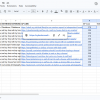
I never drop funds blind. Before I play, I look into a site's legal pages, payment paths, RNG clarity, and community track record. I also keep a running file with my own results and friction points. When I compare options, I check third-party curation and community-sourced spreadsheets to cross-verify features and track record. If you want a handy reference point to start your own audit, this thread is a good tool to bookmark: CSGO gambling sites roulette. I weigh what I read against my hands-on runs, then decide where to keep playing.
After months of consistent testing, I rate CSGOFast as the best fit for my CS2 case opening and mixed-mode sessions because it matches my criteria: compliance I can read, pacing that fits, and a market that lets me plan exits. That is a personal call, but it is shaped by repeatable checks.
Practical Tips For Pricing Deposits And Withdrawals
When I plan a session, I first figure out where item prices sit. I check public reference points and then compare to the in-site Market. For baseline pricing, the Steam Community Market helps me anchor expectations. Market spreads can change across hours, so I set a range and avoid chasing pennies if I am about to run a fast Case Battle or a crash-heavy block of rounds.
If you list bundles, pick a shared pricing setting and let the system update the pack when a piece sells. That saves you from re-listing and keeps your storefront tidy. When depositing by CS items, account for new restrictions that came after the Steam policy shift; it is better to plan a refill a few hours ahead than to squeeze it mid-round and run into a hold.
Reputation Signals That Matter To Me
I do not accept site claims at face value. I check public review platforms, look for recent activity, and read through comments that mention payouts, support, and verification. CSGOFast's presence on Trustpilot shows an overall rating and active feedback history, which I take as a healthy sign when matched with my own results. I do not need a perfect score; I need consistency and real replies from the team when someone raises a concrete issue.
On top of that, I factor in how active the on-site chat feels during peak hours and how fast Rain fills. Both point to real usage. When people keep playing, keep chatting, and keep buying or selling on the Market without drama, I give that site more time and more of my stake.
Game Rules That Favor Clear Planning
One reason I stay on CSGOFast is that the fine print supports smart decisions. Classic's one-minute timer is predictable. The jackpot acceptance window prevents accidental misses. The commission range is posted, and the "no commission" scenario shows up on special terms I can actually see. Double's red, black, and green payouts are fixed and stated, so I do not have to hunt for hidden changes. Hi Lo's dynamic coefficients depend on prediction pools, which they spell out, and the Joker's 24x sits at the top where it belongs and does not get changed behind the scenes.
These rules reduce friction and support solid planning. They do not rip off new players with vague language, and they let experienced players build a strategy without guessing what the house will do in a pinch.
Tournaments And Solo Modes That Keep Me Practicing
Solitaire in tournament mode is better training than people give it credit for. Five-minute matches with a shared deck across all players keep luck in check and turn it into a skill contest. A small entry fee and a posted prize pool let me warm up without risking the rest of my stack. Slots and Poggi give me short drills where I test bankroll stops. Tower keeps my focus on step-by-step gains with clear failure states.
I like mixing solo and group play. I run a few solo sets to find out if I am in the right headspace, then jump into Classic or Case Battle. That habit pays off across a month of sessions because it cuts tilt and keeps my decisions clean.
Market Mechanics That Do Not Waste Time
The P2P market is a core strength. I can buy and sell directly with other players and track the flow without waiting for a centralized batch to process every listing. Auto-selection for deposits uses my target total to build a set of items fast, and I can sort listings by price or liquidity when I plan withdrawals. If an item is slow, I price it to move and get on with my session instead of babysitting one skin for hours.
I also like that money movement policies are documented, including minimums for withdrawals, transfer options, and what to do when deposits do not convert as expected. A market falls apart if those edges stay vague. Here, they are not.
Why The Community Matters As Much As The RNG
An active community is a real metric. On CSGOFast, chat carries across time zones, Case Battle queues fill at odd hours, and Rain attracts consistent turnouts. When I ask for feedback on timing strategies or game settings, I get answers that make sense from players who can show their own runs. That collective knowledge and the site's rules against spam and deception create a place I actually want to keep open on a second monitor.
The referral system and F2P routines give everyone a chance to keep stakes moving. That steadiness builds a loop that is good for casuals and grinders. I want a site where both can stick around, and this is one of them.
Daily Rhythm That Rewards Returning Players
I organize my day around three small actions: quick F2P, a Rain check-in, and a handful of low-risk rounds to test tempo. Those actions behave like daily rewards because they add steady value without forcing bigger bets. When I am ready to scale, I already have a feel for the site's pace and chat flow at that hour. Small rhythms like this matter more than flashy jackpots because they make the site worth revisiting.
If a platform rewards repeat play with predictable value and a community that shows up, it beats a site that shouts about bonuses and then buries the terms. CSGOFast leans toward the repeatable side, and I rate that highly.
How Rules And Oversight Keep The Field Fair
The best sign of a well-run operation is how it handles abuse. CSGOFast's ongoing monitoring looks for red flags such as rapid churning, suspiciously large moves, shared account attributes, and patterns that look like value transfers instead of real play. If something trips a wire, they can ask for source of funds or wealth and, when required, file a report under applicable law. I have nothing to hide, and I prefer a site that keeps the pool clean.
By setting a Level 10 Steam requirement and tying Rain to KYC, the site blocks the simple attack paths bot farms use to farm giveaways. Those rules make the rewards more meaningful for actual players and keep the community focused on play, not exploitation.
Session Management That Helps Me Think Straight
Between Crash, Double, Classic, and Case Battle, I can pick pacing that suits my attention level. I run a small Crash window while I line up a Case Battle, then pivot to Classic for a few one-minute rounds. Slots, Poggi, and Tower fill gaps, and Solitaire tournaments reset my focus when I need a cooler. The platform does not push me into one mode, which means I do not get stuck in ruts that drain my balance.
Having clear, posted rules and predictable animation timing means I do not overthink outcomes. I can focus on risk, not on whether the UI will glitch when I tap Stop or Confirm.
My Verdict After Heavy Use
After looking into legal pages, testing deposit and withdrawal paths, checking the Market against public references, and putting in long sessions on mobile and desktop, I rank CSGOFast as my top pick for CS2 case opening and mixed game play. It ticks the boxes that matter: active community, smooth mobile performance, a real variety of cases, recurring rewards that I treat as a daily loop, and public ratings on Trustpilot that line up with my own results. I care about execution, not hype, and the execution here holds up.
I keep an eye on one small thing at the end of every session: payout timelines can vary based on item liquidity, yet this minor quirk does not change my overall great impression of CSGOFast.