




Recovery is an important part of any cosmetic procedure because the final appearance depends not only on the treatment itself but also on how the tissues heal afterward. Anyone considering Cheek Augmentation in Islamabad should understand that recovery differs between injectable treatments and surgical procedures. Some people experience mild temporary changes, while surgical patients generally need more time for swelling and healing to settle. Knowing what may happen can make the recovery period easier to manage.
What Happens Immediately After Treatment?
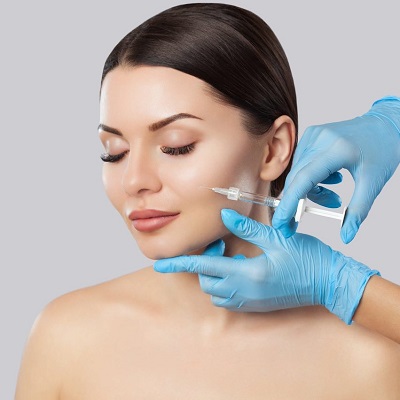
The first stage depends on the technique used. Injectable enhancement may cause temporary swelling, redness, tenderness, or bruising around the treated area.
Surgical augmentation generally involves more noticeable swelling because tissue is affected during the procedure. The face may initially look different from the intended final result.
These early changes are part of the recovery process and should not automatically be interpreted as the final appearance.
How Does Swelling Change?
Swelling generally decreases gradually rather than disappearing instantly.
The rate can vary according to the procedure, individual healing response, and extent of treatment. One side may occasionally appear different from the other during early recovery because swelling does not always develop evenly.
As the tissues settle, the appearance can become more balanced.
What About Pain or Tenderness?
Some discomfort can occur after treatment. Injectable procedures may involve relatively limited tenderness, while surgical augmentation can produce more noticeable discomfort during the early recovery stage.
Pain that becomes severe or progressively worse should be discussed with the treating professional rather than being assumed to be normal.
What Activities Should Be Limited?
Activity restrictions depend on the technique and the provider's instructions.
After surgery, strenuous exercise and activities that increase pressure or risk injury to the face may need to be avoided temporarily. Patients should follow their individualized recovery instructions rather than returning to every activity immediately.
How Should You Sleep?
For some procedures, the provider may recommend a particular sleeping position to reduce pressure on the treated area. This can be especially relevant after surgical cheek augmentation.
The exact instructions should come from the practitioner because recovery recommendations can vary according to the procedure.
When Can Normal Appearance Return?
There is no single recovery timeline for everyone.
Injectable treatments may settle more quickly, while surgical augmentation can require a longer period before swelling substantially decreases. The final appearance may continue to improve after the earliest recovery stage.
Patients should therefore allow sufficient time before evaluating the result.
Why Are Follow-Up Appointments Important?
Follow-up allows the provider to evaluate healing and determine whether recovery is progressing appropriately.
It also gives the patient an opportunity to discuss swelling, asymmetry, discomfort, or other concerns.
A follow-up is particularly useful when the treatment involved surgery.
Conclusion
Recovery after cheek augmentation varies according to the treatment method and individual healing response. Temporary swelling, tenderness, bruising, and changes in facial appearance may occur before the tissues settle. Following professional aftercare instructions, limiting activities when advised, and attending follow-up appointments can support a smoother recovery and provide a clearer understanding of the eventual result.


Comments (0)