




One of the most common concerns before removing a visible skin lesion is whether the procedure will leave a mark. Anyone considering Skin Lesion Removal in Islamabad should understand that every procedure affecting the skin has some potential to change its appearance during healing. Whether a noticeable scar develops depends on several factors, including the removal technique, lesion depth, location, skin type, wound care, and individual healing response.
Why Can a Scar Form?
A scar is part of the body's natural response to injury. When the skin is damaged deeply enough to require repair, the body produces new tissue to close and strengthen the area.
Some procedures affect only the superficial skin, while others remove tissue more deeply. The deeper the wound, the greater the potential for a visible scar.
However, scar appearance varies greatly between individuals.
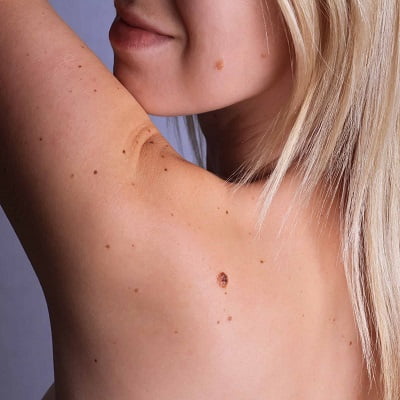
Does Every Removal Procedure Cause a Visible Scar?
No. The possibility and appearance of a scar depend partly on the technique used.
A superficial procedure may heal with little noticeable change, while surgical excision can leave a linear scar because an incision is made in the skin.
The provider can explain the expected type of mark based on the selected treatment and location of the lesion.
Why Does Location Matter?
Different parts of the body heal differently. Areas that experience frequent movement or tension may place more stress on healing tissue.
The face is another special consideration because even a small mark may be more noticeable. For facial lesions, treatment planning often includes attention to the direction and appearance of the eventual scar.
Can Skin Type Affect Healing?
Yes. Individual skin characteristics can influence how scars and pigmentation changes develop.
Some people naturally produce more visible scar tissue than others. A history of raised or unusually dark scars can therefore be important information to share during consultation.
The provider can then discuss possible risks and realistic expectations.
How Can Aftercare Help?
Following aftercare instructions is one of the practical steps patients can control.
Keeping the treated area protected and avoiding unnecessary picking, scratching, or friction can help support normal healing.
Sun protection may also be important because healing skin can be more prone to discoloration after exposure.
What About Redness After Treatment?
Redness does not necessarily mean that a permanent scar has formed.
Healing skin can remain pink, red, darker, or lighter than the surrounding skin for a period of time. These changes may gradually improve.
The final appearance should therefore not be judged too soon after the procedure.
Can a Scar Be Completely Prevented?
No professional can guarantee that a procedure will leave absolutely no mark. The skin's healing response cannot be predicted perfectly.
A qualified provider can, however, select a suitable technique, plan the procedure carefully, and explain factors that may influence the final appearance.
When Should You Seek Advice During Healing?
If the treated area becomes increasingly painful, significantly swollen, develops unusual discharge, or shows other concerning changes, contact the treating professional.
These symptoms should not simply be assumed to be part of normal healing.
Conclusion
Skin lesion removal can sometimes leave a scar or temporary change in pigmentation, but the extent varies from person to person. Treatment method, lesion depth, body location, skin characteristics, and aftercare all influence the final appearance. A consultation before removal provides the best opportunity to discuss scarring risks and understand what result is realistically possible.


Comments (0)