




Deciding to treat a facial scar involves more than choosing a procedure name. Facial Scar Revision in Islamabad should begin with a detailed consultation where patients can understand the condition of their scar, available options, recovery requirements, and realistic expectations.
Start With the Type of Scar
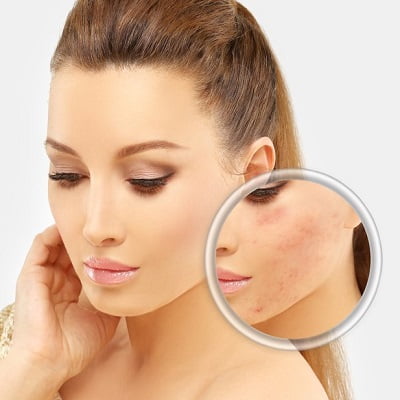
One of the first questions to ask is, “What type of scar do I have?” A scar can be flat, raised, depressed, widened, discolored, or irregular. The cause and healing history can also affect its appearance.
Understanding the scar type makes the rest of the consultation easier because treatment choices are often connected to the specific problem being addressed.
Ask What Improvement Is Realistic
Instead of asking whether the scar can disappear completely, ask how much improvement may realistically be expected. Scar revision generally aims to make a scar less conspicuous rather than erase it entirely.
Ask how the scar may look during healing and what the expected final result might be after the skin has matured.
Discuss the Treatment Plan
Important questions include:
- Which technique is being recommended?
- Why is that technique appropriate for this scar?
- Could another treatment be more suitable?
- Will one session be enough?
- Could combination treatment be necessary?
- How long is the recovery period?
These questions help you understand the reasoning behind the proposed treatment.
Ask About Safety
Patients should provide complete information about medications, allergies, previous procedures, medical conditions, smoking, and previous healing problems. The ASPS recommends discussing medical history, medications, supplements, allergies, previous surgeries, and expectations during consultation.
Do not hide information because you think it is unrelated. Details about your health can influence treatment planning.
Understand Aftercare
Ask what you will need to do at home, what products are permitted, how to clean the area, when normal activities can resume, and when follow-up will occur.
Conclusion
A good consultation should leave you with a clear understanding of your scar, the proposed treatment, possible alternatives, recovery, risks, and expected improvement. Asking detailed questions can make the decision process more informed and realistic.


Comments (0)